

Erdkinder

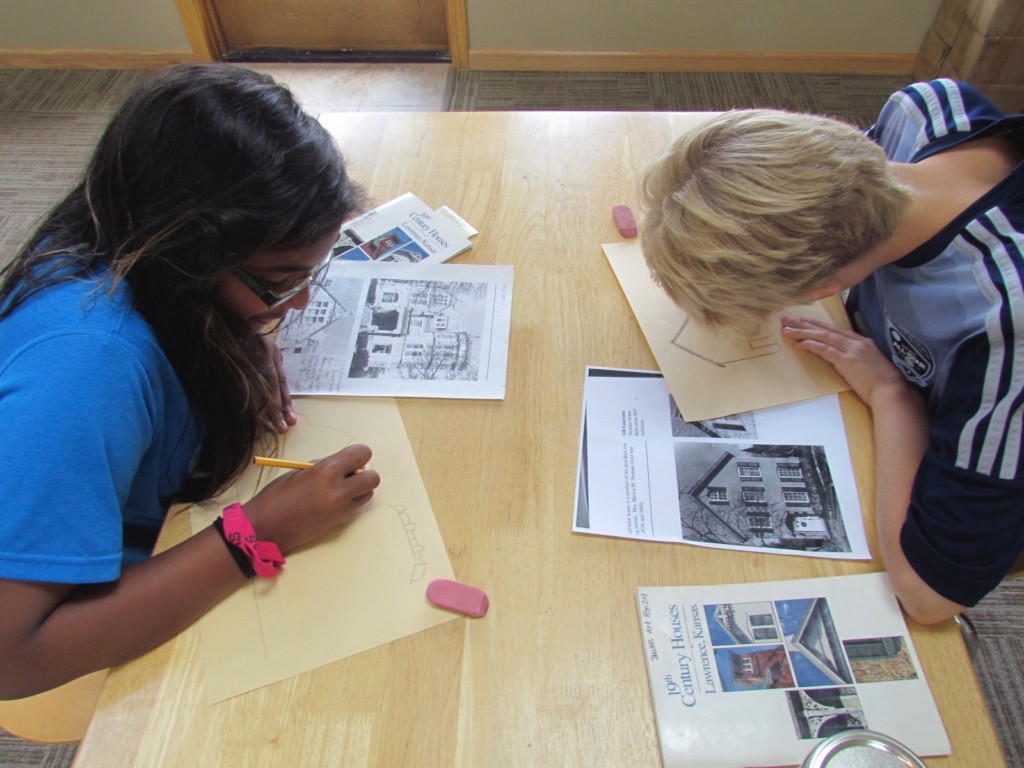

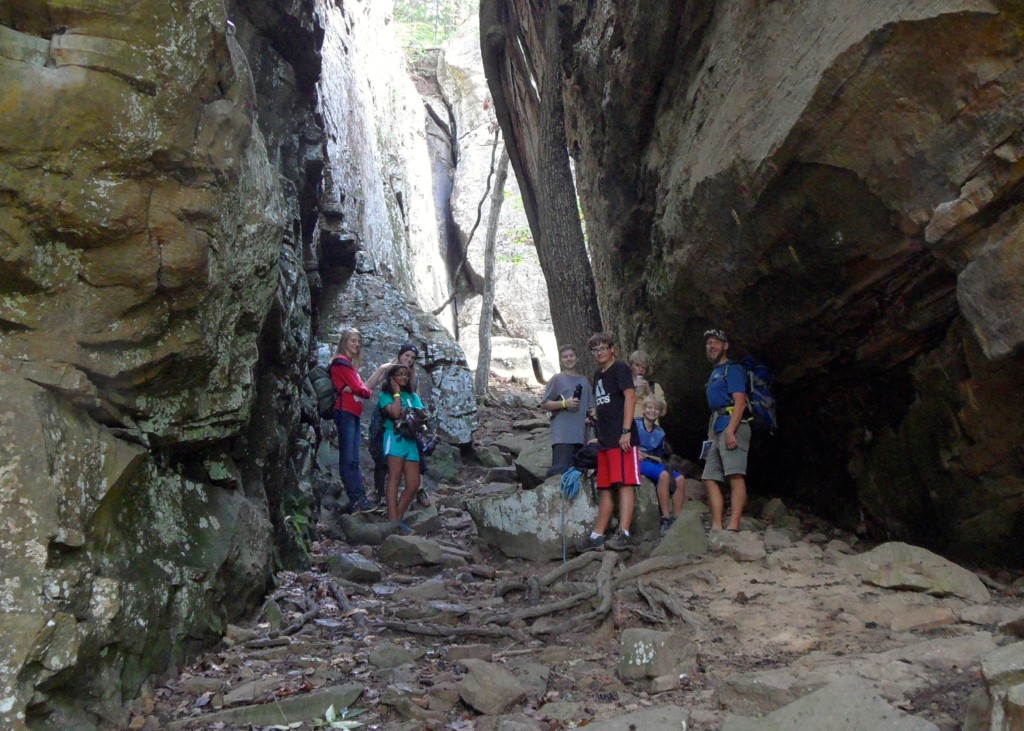
A day in the life of a Raintree Erdkinder student
As the day begins, adolescents may arrive as early as (7:30-8:15 AM) to assist in the set-up of the environment spaces, engage in outside work, and to prepare themselves for the day.
By 8:15, everyone should arrive, greet the guides, visit with friends, and gather materials for their morning schedule.
At 8:30, adolescent-led morning announcements begin. Attendance is taken, personal goals are shared, and special announcements are made.
The Erdkinder morning:
Spanish
The study and fluency of more than one language in today’s society is paramount. Students in our program will study Spanish. This language is one of the most common languages spoken in the world. It also offers the students a window back to the grammar of English. Spanish provides students a useful tool to engage with the world around them and to perhaps one day travel to both distant and nearby places where the language is spoken. Utilizing a direct method, the students speak immediately. Over the course of their time in Erdkinder they will develop a foreign language foundation that serves their educational pursuits into the future.
Mathematics
The adolescents begin where they left off at the end of the 6th year, moving into the study of pre-algebra, algebra and beyond. Lessons are presented, at times using concrete materials. Students practice with the work and materials to solve problems and apply the concepts to real life projects. The approach is evaluative and diagnostic.
Electives give each student the opportunity to individualize their schedules and pursue their own unique academic interests. During Electives time each week, students may be working on a writing assignment, honing their critical thinking skills with current events, attending a group class about a particular topic, or doing some other work they have discussed with their advisor. Potential electives may include writing, current events, debate, drama, finance, poetry, coding, cooking, and independent art projects as well as other independent studies.
Most days of the week, students have a chance to go outside for recess before lunch begins.
At 11:15 every day lunch is set up. Once lunch is finished and cleaned up, students move on to the afternoon schedule.
At 12:30 we begin the Study and Work Period.
According to Montessori, work on the land is a “limitless field for scientific and historic studies.” The Erdkinder plan for Study and Work is an uninterrupted work period for the adolescents to study the sciences, humanities and work toward projects within the model of production and exchange. Adolescents are given key lessons that serve to reveal the scope of the units they will engage in through group or individual work.
Humanities
In order to delve deeper into historical time periods adolescents will read more about a specific topic of interest, debate with classmates, conduct a library or study the art, music, and literature of that time in history. To demonstrate students’ understanding and mastery of the time and place studied they will have the opportunity for written assignments, oral presentations, or creative expression. Units aim to develop gratitude and faith in the general progress of humanity. Our purpose is to impart upon students the belief that every individual has the potential to contribute to the greater good of society.
Science
Observation is a critical part of Montessori education. Maria Montessori asked that teachers become joyful observers. Adolescents practice observation within the study of science through readings, lectures, science labs and other activities. Twice a year students take a deeper dive into the scientific method and the role of observations in that method. Science is closely tied to production and exchange and they will naturally become integrated. Students working in the greenhouse may use the scientific method in plant experiments or they may learn about photosynthesis while gardening, or anatomy and genetics through work with the chickens.
Production and Exchange
Projects center around the development of a microeconomy, such as raising chickens and marketing their eggs. First, a task or a challenge is identified from the land or the community. The group could decide, for example, to meet a need of the community through providing baked goods for a school event. Next, the students decide what they need to know and what they need to do in order to accomplish the task or solve the problem. Throughout the process they work as a group to acquire the knowledge and proficiency necessary to accomplish the task. Key lessons are given by the teacher and other community members to build knowledge and to experience roles within society.
Wednesdays are dedicated to Self Expression, Council Meeting, and Community Work (both on and off campus).
Self Expression
Adolescents have a great need for self-creation, deep friendships, and love which can be expressed through the arts. The nature of the arts is to wed the emotional and the intellectual into unique, original expression. Art (in any form) has dual value: it is both a powerful expression of the inner self and a profoundly effective avenue for connecting one human being to another. Physical expression gives our students a much-needed physical outlet, in the form of practice and exercise in various sports and activities.
Literature Seminar
Groups form quarterly and meet weekly to discuss the assigned reading. Seminar is an important process to the Erdkinder and is used as a structure to attend to a variety of topics.
Council Meeting
Students have a Council Meeting in the afternoon to report on our various microeconomies, share information about the week, and make plans for the following week. Issues that need the group’s input are discussed.
Community Work is also important to us. A list of things that need to be done is compiled by the group throughout the week. These items are then divided among the class and our work time begins. The students may perform community service jobs on- and off-campus.
After classroom jobs are done, the students head to Advisory Circle. At the beginning of their 7th year, students are assigned to one teacher who will be their advisor throughout the two years of our program. During Advisory Circle students update their planners, share their progress on their goals, and work on assignments.