A recent national study published in the Proceedings of the National Academy of Sciences followed 588 children across 24 public Montessori programs nationwide and found that those who attended Montessori showed stronger growth in reading, memory, self-regulation, and social understanding by the end of kindergarten.
Unlike many preschool programs where early gains fade by kindergarten, Montessori students continued to progress, showing measurable advantages in areas that matter most for lifelong learning.
By the end of kindergarten, children randomly selected to attend public Montessori preschools demonstrated:
- Significantly higher reading abilities
- Enhanced executive function (self-control and attention)
- Improved short-term memory
- Greater social understanding and empathy
“These findings affirm what Maria Montessori believed over a century ago—that when we trust children to learn with purpose and curiosity, they thrive,” said Angeline Lillard, Commonwealth Professor of Psychology at the University of Virginia and lead author of the study.
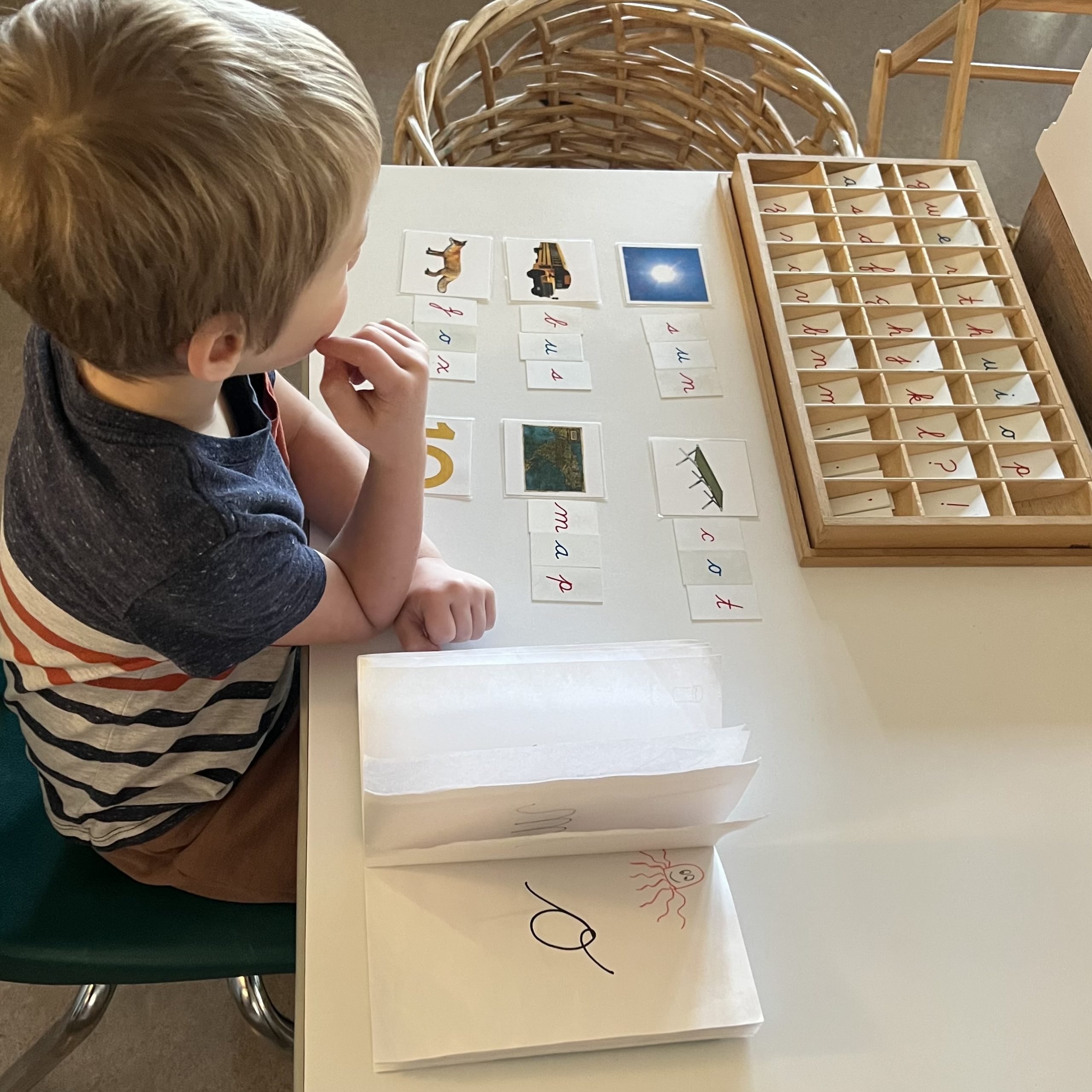
Reading gains were especially strong. Children in Montessori classrooms developed early literacy through the hands-on, phonetic approach we know so well—sandpaper letters, the Moveable Alphabet, and sound-based word work—methods that align closely with current science of reading research.
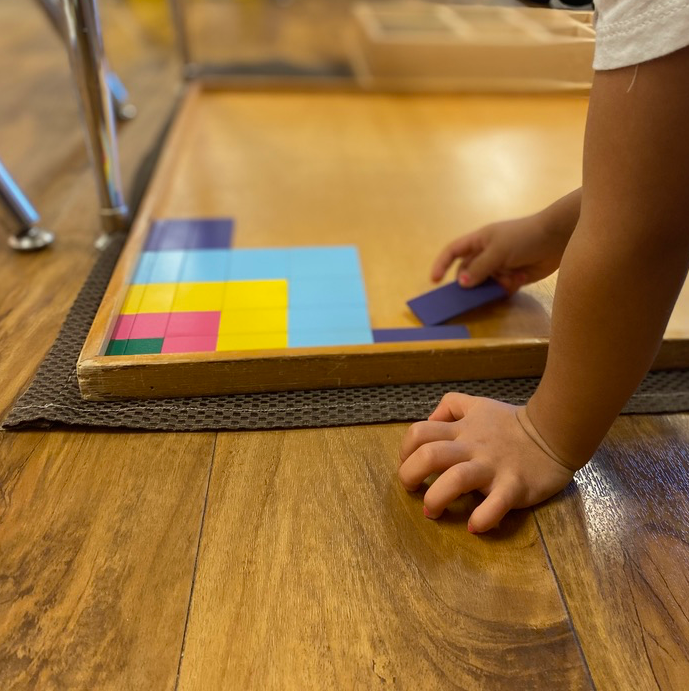
Children also scored higher in measures of executive function and short-term memory—skills that support focus, planning, and following multi-step directions. The freedom and structure of the Montessori day—choosing work, completing cycles, and caring for materials—naturally cultivate independence and self-discipline.
The study also noted that public Montessori programs were more cost-effective for school districts than traditional preschool models, primarily due to higher child-to-teacher ratios that maintained quality while reducing costs.
For families, this research confirms what we see every day at Raintree: when children are trusted to explore, make choices, and learn at their own pace, they develop not only academic skills but also confidence, focus, and kindness—the true hallmarks of a Montessori education.
Read the full study: https://pubmed.ncbi.nlm.nih.gov/41115200/